If you're looking up roof installation costs, you're probably at a point where your roof is showing signs of wear, or worse, letting water in. You might be wondering if it’s time to call a roofing company or whether that “minor repair” is really enough.
At IBEX Roof, we hear this all the time. Homeowners want straight answers and a free estimate they can actually use to plan ahead, without the pressure, the upsell, or vague numbers. In this post, we’ll break it all down in clear terms: how much a new roof typically costs, what affects the price, and how to get the best value for your home.

When people think about getting a new roof, one of the first questions is, “How much is this going to cost me?” It’s a fair question, especially when prices can vary so much depending on where you live and what your roof looks like.
On average, the cost of a new roof can range from $8,000 to $30,000 or more, with most homeowners paying somewhere in the middle. The national average cost helps as a starting point, but it’s just that, a starting point. Your actual price depends on your home’s size, materials, and who you hire.
For example, a small home with basic shingles may cost far less than a large, multi-level roof with metal panels. Some homeowners are surprised by how quickly the numbers go up once labor, removal, and materials are factored in.
That’s why it’s important to get clear numbers before making a decision. A solid roof installation cost estimate from a trusted contractor can help you plan ahead and avoid surprises.
The cost to replace a roof doesn’t come from just one place. A few key factors work together to shape your total price. Knowing these helps you ask better questions and understand your quote.
Here’s what usually affects the price:
Roof Size & Complexity: Larger roofs need more materials and time. A steep or complex roof takes longer to install, so the roof size and pitch directly impact the final cost.
Choice of Materials: Asphalt shingles are common, but metal, tile, or wood come with higher price tags. The type of roof you choose changes both material and labor costs.
Labor Costs: These vary by region and how tough the job is. A simple one-layer install costs less than a full tear-off with repairs. Labor can be a big part of your final bill.
Location Differences: In areas where the cost of living is higher, roof jobs are more expensive. The same job might cost thousands more depending on your zip code.
Prep/Removal Work: If your old roof needs to be removed or there’s damage under the surface, expect the price to go up. Prepping the roof takes time and adds to the labor cost.
To sum it up, your total roof installation cost is shaped by what’s on your house now and what you want it to become. That’s why no two quotes are ever the same.
What you choose to put on your roof has a big impact on how much the project will cost. Some roofing materials are simple and affordable, while others are made to last longer but cost more upfront.
Let’s break it down by material type:
Knowing the cost per square foot helps you compare options and find the right fit for your home and budget. Picking the right roofing material is about balancing looks, durability, and what you’re comfortable spending.
It’s easy to focus only on shingles and square footage, but a roof replacement often includes smaller costs that can add up fast. These aren’t always listed upfront, so homeowners are sometimes caught off guard.
Some of these extra expenses come from the condition of your current roof or the specific layout of your home. If there’s damage hiding under your shingles or hard-to-reach sections of the roof, it can increase labor and material costs.
Here are a few common charges that can add to the overall cost of your roof replacement:
Knowing about these ahead of time can help you prepare and make better choices when reviewing your quote. Always ask your roofer to explain what might be added once work begins.
Getting a new roof is a big investment, but there are smart ways to lower the cost without cutting corners. It starts with planning, comparing options, and knowing where you can safely reduce spending.
One way to save is by scheduling your project during slower months when roofing companies may offer off-season discounts. Choosing durable materials that don't break the bank is also a good way to balance cost and quality.
You can reduce the cost of replacing your roof by doing things like:
By looking at your options with a clear plan, you can manage your roof replacement cost more confidently and get the most value for your budget.
Roof installation pricing can vary depending on local permit fees, weather, and material availability. If you want a quote that reflects your specific needs, there are a few simple steps to follow.
Start by finding a local roofing contractor who offers a free roof inspection. They’ll help you determine the cost based on your roof’s size, slope, and condition.
Here’s how to get a clear and accurate cost estimate:
A well-prepared estimate takes the guesswork out of the process and helps you feel confident in your decision. It’s not just about price, it’s about getting the right roof for your home.
When it comes to roofing, people usually have the same key questions. Getting honest answers makes it easier to plan your budget and know what to expect before the work starts.
How much does a new roof cost per square foot?
The cost per square foot depends on the material, slope, and location. Most roofs fall between $4 and $12 per square foot, but it can go higher with premium options or complex layouts.
How long will my new roof last?
A roof’s lifespan depends on what it's made of and how well it's installed. Asphalt shingles may last 20 to 30 years, while metal or tile roofs can last 40 years or more if maintained properly.
How long does it take to install a new roof?
Most roof replacements take 1 to 3 days, depending on the size, shape, and weather. Bigger or more detailed jobs may take a bit longer.
Does the size of my roof affect the total cost?
Yes, the larger your roof’s square footage, the more you’ll pay. More space means more materials and more labor, which directly affects the cost.
Are labor costs included in the quote?
Most quotes include roof replacement labor costs, but always double-check. If it’s not clearly listed, ask your contractor to break it down for you.
Choosing to replace your roof is a big step, but it's also a smart one when your current roof is no longer doing its job. A new roof protects your home and can even boost its value.
It helps to understand what goes into the cost of a roof replacement, from materials and labor to extra fees that can come up during the project. Knowing these details gives you more control over your choices.
Always get multiple quotes, ask clear questions, and check what's included in the price. That way, you can make the best decision for your home and budget.
In the end, a well-installed roof does more than cover your house. It gives you peace of mind, knowing your home is ready for the seasons ahead.
Wondering what it’s really going to cost to replace your roof? You’re not alone. Whether your shingles are curling at the edges or a leak just showed up during the latest Portland rain, the question comes up fast, how much is this going to set me back?
In Portland, Oregon, the price for a residential roof replacement can range anywhere from $8,400 to $16,500 for asphalt shingles, and $20,400 to over $42,000 for metal roofing. But those numbers can shift depending on the size of your roof, its slope and shape, and whether there are any issues hiding beneath the surface like rotten decking, outdated insulation, or damaged gutters.
This guide breaks it all down. You’ll learn what affects the cost of roof replacement in Portland, how different materials compare, what kind of extras to expect, and how to get a fair, accurate quote from a trusted residential roof replacement contractor in your area.

When you're budgeting for a new roof, it's easy to feel unsure about what’s normal or fair. The average roof replacement cost in Portland can be higher than in other regions due to labor and local code requirements. Understanding the going rates helps you avoid surprises when you start collecting estimates.
Here’s what Portland homeowners are typically paying right now for a full roof replacement based on the material type:
Labor rates in the Portland area tend to run 10 to 20 percent higher than the national average. That’s mostly due to transportation, material availability, and regional building standards. When reviewing a roof replacement estimate, keep in mind that material is only part of the equation, labor makes up a significant portion of the total.
The size of your roof has one of the biggest impacts on the cost to replace a roof. A larger surface means more materials, more labor, and often more complexity. That’s why quotes are usually tied closely to square footage.
Beyond just size, your roof pitch and layout also affect the final price. A steep or multi-angle roof requires more time and safety setup, which can raise your estimated roof replacement cost.
In roofing terms, contractors often use “squares” each square equals 100 sq. ft. Knowing this makes it easier to compare estimates and understand how the cost per square foot adds up for your home.
Not every roof costs the same to replace. What your neighbor paid for theirs may not reflect what yours will cost. That’s because several key details like your roof size, design, materials, and even the time of year, can all change the price.
These are the key factors that affect roof replacement costs the most. Understanding what goes into the price helps you ask better questions and make smarter choices.
Each of these cost factors plays a role in shaping the quote you’ll get from a residential roofing contractor. Some are easy to control, others depend on what’s uncovered during the job.
The bigger your roof is, the more it’s going to cost. But it’s not just about square footage, the shape and layout matter too.
A roof with lots of angles, dormers, or steep slopes takes more time and labor to complete safely. The complexity of your roof increases not just the time needed but also the number of materials and safety setups involved.
If your roof is easy to access and has a simple layout, that usually means a lower price. But anything that makes the job harder like multiple levels or chimneys, can add to the overall roof replacement cost.
The roof material you choose can swing your costs up or down, so it helps to know what each option brings to the table.
Each material type impacts not just the price but also the weight, lifespan, and look of your roof. Picking the right one means balancing cost with what matters most to you.
Labor cost is a major part of your total project, sometimes even more than materials. In Portland, roofing contractors typically charge more than the national average due to demand, local building codes, and seasonal pressure.
The roofing labor cost per square can change depending on the time of year and how many skilled workers are available. Jobs during the busy summer months tend to be priced higher than those done in the off-season.
Hiring a local, licensed team that understands Portland’s climate and code requirements may cost more, but it usually pays off in quality and reliability.
Sometimes a roof replacement uncovers problems you couldn’t see beforehand. These hidden issues are part of why roof replacement cost can change from the original estimate.
These upgrades can add to your cost, but they also help prevent future issues like leaks or mold. If your contractor brings them up, it’s often because they’re needed to protect the rest of your home.
Even after selecting materials and estimating labor, there are still a few more items that affect the total roof replacement costs. These extra pieces can sneak up if you're not prepared, which is why it’s helpful to know them ahead of time.
Your contractor might mention fees that don’t seem related to shingles or nails, but they’re still part of the process. Things like local permits and inspection costs are often required for a proper roof installation.
There can also be additional cost factors like removing old roofing layers or fixing damaged wood underneath. These aren’t always visible until work starts but can add to the overall cost.
These items don’t always apply, but when they do, they can shift the cost of a roof replacement more than expected. Being aware of them helps you understand where your money is going and why your estimate might look different from your neighbor’s.
If you’re dealing with leaks or roof damage, it’s not always clear whether you need a full replacement or just a smaller repair. This is one of the first questions homeowners ask, and knowing what to look for can help make the choice easier.
In some cases, a roof repair might be enough to keep things watertight and safe, especially if the problem is minor or caught early. But when wear is widespread or the roof is near the end of its lifespan, it may be time to plan for a full roof replacement project.
Understanding when it’s worth fixing and when it’s smarter to start over can save you money and stress in the long run. The cost to replace a roof is higher than a repair cost, but it often brings more lasting value and fewer ongoing issues.
If you're unsure, a trusted contractor can inspect your roof and walk you through whether a partial roof replacement or full project makes the most sense. Catching these signs early can also help avoid bigger costs later.
Getting a clear, fair roof replacement estimate doesn’t have to feel confusing. The more prepared you are going into the process, the easier it becomes to compare quotes and spot the real value.
Not every quote will be the same, even for the same house. That’s why understanding how contractors build their pricing can help you know what to expect when asking how much a roof replacement costs.
Taking time to review details and ask questions is the best way to determine the cost that truly fits your home and your goals.
You’ll want to gather at least three quotes from licensed roofing companies in Portland. This gives you a good comparison of pricing, timelines, and materials.
Many residential roof replacement contractors offer free estimates and will walk your roof before providing one. These usually take a few days to schedule, especially in busy months.
Don’t just glance at the bottom line look at what’s included. A solid roofing estimate should list materials, labor, warranties, and the proposed timeline.
Check for details like the cost per square, the type of underlayment, ventilation, or disposal methods. These pieces help you understand what’s behind the price.
Before saying yes to anyone, make sure your contractor is licensed and insured. Look for online reviews, ask for recent local jobs, and check how long they’ve worked in the Portland area.
A contractor who understands the regional weather and building codes is more likely to give you a smooth project and reliable results.
Choosing the right roofing contractor is about more than finding the lowest quote. You want someone who knows the area, uses quality materials, and stands behind their work.
A good residential roof replacement contractor should be familiar with Portland’s climate like how rain and moss affect roofs here over time. That knowledge helps them recommend materials and methods that hold up better.
They should also offer clear warranty options and explain what’s covered. Whether it’s a manufacturer guarantee or labor warranty, make sure you know how long protection lasts and what it includes.
Before work begins, make sure everything is in writing from cost and materials to start date and completion timeline. That way, everyone’s on the same page.
Replacing a roof is a big project, but there are ways to bring down the total cost without cutting corners. Asking the right questions and planning at the right time can make a real difference.
Some homeowners don’t realize that insurance might cover part of the job if the damage is from a storm or another covered event. That alone can reduce your roof replacement cost significantly.
You can also look into financing plans or local rebates. Some energy-efficient upgrades may qualify for tax credits or incentives, especially in Oregon.
Planning ahead and working with a contractor you trust can help you save on roof replacement without sacrificing quality.
When you're planning for a roof replacement, it’s normal to have questions. Whether you're comparing prices or figuring out the right time to start, these answers can help clear up what to expect.
When is the best time of year to replace a roof in Portland?
Late fall or early spring tends to be ideal. You’ll likely find more flexible scheduling and potentially lower roof replacement prices during the off-season.
How long does a typical roof replacement take?
Most residential projects are completed in one to three days. The actual time to replace depends on the size and complexity of your roof.
Does insurance cover full or partial replacement costs?
If your roof was damaged by wind, hail, or another covered event, insurance might pay part or all of the roof replacement cost. An roof inspection and documentation are often required.
How does a new roof affect home value and curb appeal?
A new roof can improve both the look and resale value of your home. It also makes buyers feel more confident about the condition and quality of your roof.
Can I stay home during the roofing process?
Yes, most homeowners remain at home. Just be prepared for noise and some vibration as materials are removed and installed.
Do I need a permit for roof replacement in Portland?
Yes, a permit is required for most roof replacements. Reputable contractors will handle this as part of your project.
How long do asphalt, metal, and tile roofs last?
Asphalt shingle roofs usually last 20 to 30 years, metal roofs can last 40 to 70 years, and tile roofs often exceed 50 years with proper care. Longevity affects how much your roof will cost over time.
The cost of roof replacement depends on many factors, from the materials you choose to the size and shape of your home. Portland's climate, local labor rates, and seasonality also influence the final price.
Getting multiple quotes from experienced contractors is one of the best ways to understand what your average cost of a roof might be. Make sure each estimate includes materials, labor, and any extra services that could affect the total roof replacement costs.
If you're starting to think about replacing the entire roof, a professional inspection is a smart first step. At IBEX Roof, we offer a free estimate to help you get clear on your options, timeline, and pricing. Let’s make sure your roof is ready for whatever Portland weather brings.
Have you ever looked up at your roof during one of Portland’s long rainy weeks and wondered how much life it still has left? You’re not alone. Homeowners across the city often ask about the average lifespan of a roof in Portland, Oregon, because with our wet climate, moss growth, and seasonal storms, roofs tend to age differently here than in drier parts of the country.
Even a low-end roof has an estimated 15 to 20-year life span in Portland, Oregon. That’s assuming little to no maintenance. But if you take steps like choosing the right material used, ensuring the quality of installation, and scheduling inspections from trusted roofing companies in Portland, you can stretch those years much further. Protecting your roof from constant moisture and keeping up with seasonal care are two of the most effective ways to add years to its life.
If you’re wondering how long your roof should last, the answer really depends on the type you have. Portland’s wet seasons, tree cover, and occasional windstorms can wear down some materials faster than others. Choosing the right material isn’t just about budget, it’s about how it holds up over time here in the Northwest.
Every roof type has its own range when it comes to lifespan. That’s why it’s worth knowing what kind you have and how it’s expected to perform in our local conditions. Whether you're thinking about replacing your roof or just planning ahead, it helps to see how each option compares.
Below is a simple breakdown of the most common roof types used around Portland. These ranges reflect real-life performance in our area, not just ideal factory conditions.
These are one of the most popular roofing materials in Portland for a reason. They’re affordable, look good on most homes, and hold up fairly well against rain and wind when properly installed.
This older style of shingle is more budget-friendly, but it doesn’t last as long in our climate. The thinner design makes them more vulnerable to moisture and wear.
Designed to mimic slate or wood, these are built tough. They’re lightweight and resistant to rot, which makes them a good option for longevity, especially with regular roof maintenance.
Metal roofing holds up extremely well here, especially in areas with lots of tree cover or moss. It sheds rain easily and won’t rot, so the roof lifespan tends to be much longer.
Cedar roofs look great, especially on older or craftsman-style homes, but they do take more upkeep. Portland’s wet climate can lead to early moss growth if not maintained.
Tile roofs are heavy and strong. In areas with good support and drainage, they can last decades. They’re less common due to weight and cost, but they offer incredible durability.
If your home has a flat roof, these are the materials to know. They’re common in Portland’s mid-century homes, and with the right installation, they can stand up well to pooling and heavy rain.
Knowing your material helps you plan. Whether you’re doing minor roof repair, budgeting for a full roof replacement, or trying to extend the life of your current system, each type has its own maintenance needs and typical lifespan.
The lifespan of your roof isn’t just about what it’s made of. Portland’s weather, trees, and even how your attic breathes can all impact how long a roof lasts. Some homes in the same neighborhood see very different roof performance based on these small details.
Local roofing companies in Portland often find that early roof wear comes from a mix of poor ventilation, moss buildup, or shortcuts in the original installation. Many of these issues aren’t obvious until leaks show up, which is why regular checks make a big difference.
Below are the main reasons roofs in Portland last longer—or not as long—as expected. Keeping an eye on these can help stretch the value of your roof and avoid early replacement.
With around 36 inches of rain and over 150 wet days each year, Portland roofs stay damp for long stretches. Shade and overhanging trees can trap moisture, leading to moss growth that slowly eats away at shingles.
If flashing isn’t tight around chimneys or skylights, or starter strips are missing at edges, your roof is more likely to leak early. Even premium materials fail fast with poor install work.
A roof needs to breathe. Without proper intake and exhaust vents, heat and moisture build up in your attic. This shortens shingle life and can even lead to mold or rot underneath.
Homes with low-pitched roofs or deep valleys tend to collect more debris. If your roof faces lots of wind or is constantly shaded, those spots wear down faster than the rest.
Being aware of how these local conditions affect the life of a roof gives you a better chance at avoiding major issues. Small steps like trimming trees or adding a vent can go a long way toward protecting your investment.
Small signs can point to bigger problems, especially when your roof is past its halfway point. Not every issue means you need a full roof replacement, but ignoring the early warnings can shorten the life of your roof fast.
If you’ve noticed anything unusual on the roof surface or inside your home, it’s worth paying attention. These signs are often the first clue that your roof might be due for a closer look or some minor repair.
Here are the most common things Portland homeowners should keep an eye on throughout the year. Many of them can be seen from the ground or with a quick look in the attic.
Exterior Clues: Look for granule loss from shingles, tabs that are lifted or curled, cracked or missing tiles, rust on fasteners, or water that pools in flat spots. These are early signs the roof surface is wearing down.
Interior/Attic Clues: Dark stains on ceilings, a musty smell, or even daylight peeking through roof penetrations can signal that moisture is getting in where it shouldn’t.
Flashing, Skylight & Vent Issues: Flashing is a key line of defense, especially around chimneys and skylights. If it’s loose or rusted, water can sneak in during heavy Portland rains.
Gutters & Downspouts: When gutters overflow or stay clogged, water backs up under the roof edge. This can lead to rot and shorten the expected life of shingles near the eaves.
Knowing what to look for helps you act early, before problems grow. Catching these signs in time is one of the best ways to avoid bigger costs down the road.
If you want your roof to last, a little care goes a long way. Regular roof maintenance doesn’t just save money, it protects your home from issues caused by Portland’s wet, moss-prone climate.
Staying ahead of moss, clearing debris, and checking key areas each season can prevent small problems from turning into leaks. A well-maintained roof handles our rainy months much better and tends to meet or exceed its full lifespan.
These simple steps are easy to plan around and don’t take much time once they become part of your yearly routine. They're a smart way to extend the life of your roof.
Scheduling regular inspections is one of the most valuable steps Portland homeowners can take. A trusted roofing contractor will spot problems early and keep your roof performing longer.
It’s not always clear when to fix a roof and when to start over. Sometimes a few targeted roof repairs can add years of service, while other times patching things up just delays the inevitable.
If your roof is approaching the end of its expected life, or if you’re seeing repeated leaks, it may be more cost-effective to replace. Age, damage patterns, and warranty status all come into play when making the call.
The key is to weigh the remaining value against the cost of continued repairs. A professional roofer can help break this down so you’re not guessing.
Ask yourself:
Knowing when to invest in a new roof versus smaller repairs gives you more control over your budget and peace of mind for the future.
If you're like most Portland homeowners, you probably have a few specific questions about how your roof holds up in our unique climate. From moss to maintenance, there are things every homeowner should know to get the most from their roofing system.
These answers aren’t just general info. They’re based on what we hear most often during inspections and jobs across the area. Whether you have tile roofs, metal, or asphalt shingles, these tips apply to real homes right here in Portland.
We’ve answered a few of the most common questions below, so you don’t have to dig for answers when you're trying to make smart roofing choices.
In Portland, moss can start to grow again within a few months of treatment, especially on shaded, damp roofs. Regular care helps keep it under control.
With proper underlayment and attic insulation, most metal roofs in Portland are no louder than asphalt. The structure beneath the metal matters more than the material itself.
It’s not recommended. Pressure washing can remove protective granules and shorten the roof lifespan. Gentle moss treatments are a safer choice.
Most Portland roofing pros recommend a yearly inspection, especially after strong wind or heavy rain seasons. This helps catch wear before it becomes a problem.
Improper installation, skipped maintenance, and using the wrong cleaning methods can all void warranties. Keeping records of inspections and service helps protect coverage.
If you're wondering how long your current roof will hold up, we offer a free inspection with a photo report so you can see what shape it’s really in. No pressure, just clear answers from a professional roof expert.
We’ve helped hundreds of Portland homeowners understand their roofs better and avoid surprise repairs. Our team at IBEX Roof knows what to look for based on the material, age, and how it’s held up to our local weather.
If you're considering repairs or just want to know whether your roof is on track, contact a trusted Portland roofing contractor to schedule your free estimate. Use our online form to get started today.
A quick checkup now can save you thousands later and help you plan confidently for your next roof installation or upgrade to a more durable roof.
You’re looking at your roof and wondering, can I really trust the contractor I’m about to hire? You’re not alone. Choosing the right roofer isn’t just about shingles and price tags, it’s about protecting your home, your money, and your peace of mind.
The truth is, a good roofing job is easy to spot when you know what to look for: a uniform, smooth, and gap-free appearance, securely installed flashing, properly finished edges, and a job site that’s left cleaner than it started. But it starts even earlier with finding someone who’s properly licensed, bonded, and insured, has local experience, and is known for solid work across roofing companies in Vancouver, WA.

Hiring the right roofing contractor starts well before the first shingle goes up. You want someone who does more than just show up, you want a professional who communicates, protects your home, and stands behind their work. Here's how to spot a reputable roofer before the job even begins.
A reputable roofer will have solid, recent reviews across third-party review sites like Google, BBB, and Yelp. Don’t just look at the star rating, read what other homeowners are saying.
Ask your friends and neighbors who they’ve worked with and whether they’d hire that reputable roofing contractor again. Word of mouth often says more than any ad ever could.
Also, pay attention to how roofers handle criticism online. A company that responds respectfully to feedback is showing you how they’ll treat you, too.
More than 35% of homeowners say they trust online reviews more than any other factor when choosing a contractor. That tells you how important a reputation really is.
A licensed roofing contractor has met state or local requirements, which is your first layer of protection. Always ask for proof, they should be able to show it without hesitation.
Make sure they’re also insured. This means both liability insurance and workers’ comp, so you’re not on the hook if something goes wrong during the job.
Look for certifications like GAF Master Elite®, which show that a roofer has been trained to install materials correctly and meets strict quality standards.
If a roofer isn’t licensed and insured, or can’t show a current certification, it’s a clear signal to keep looking.
There’s real peace of mind in hiring a reputable local contractor. They know the area, understand local codes, and are easier to reach if something comes up later.
Some roofing companies only show up after a storm and disappear once the insurance checks are cashed. These storm chasers often leave homeowners stuck with poor workmanship and no follow-up.
Ask how long they’ve been in business and check if their office address is local. A long history and physical presence mean they’re more likely to stand behind their work.
A professional contractor builds trust by being transparent and rooted in the community they serve.
When you’re hiring a roofer, don’t settle for vague promises or verbal quotes. A good roofing contractor will provide a clear, written estimate with details about materials, labor, timelines, and warranties.
This isn’t just paperwork, it protects you from surprise charges and holds the roofer accountable for their quality of work.
You should also get a written warranty that explains exactly what’s covered and for how long. A roofer who believes in their workmanship won’t hesitate to back it up in writing.
If they avoid giving a full quote or push for cash under the table, walk away. You deserve transparency from start to finish.
Once work begins, your roofer’s habits on the job site say a lot about the quality you’ll get. It’s not just about what goes on the roof, it’s about how the team treats your home, keeps things organized, and keeps you informed.
A quality roofing crew shows respect from the moment they arrive. That means covering landscaping, protecting siding, and being mindful of your property.
They’ll use proper tools, wear safety gear, and follow OSHA rules. That’s not just for their safety, it’s a sign they care about getting the roofing job done right.
Look for signs of craftsmanship, like neat rows of shingles and clean flashing installs. A good roofer pays attention to every detail, not just the parts you can see from the ground.
This is where high-quality craftsmanship really shows, through preparation, precision, and professionalism.
A clean roofing project site is more than a bonus, it’s part of the job. Dumpsters should be on site, and magnetic nail sweepers should be used to protect your driveway and yard.
If the crew is messy or tools are left everywhere, it could mean they’re also cutting corners on the actual work. Cleanliness often reflects pride in their craft.
Ask whether daily clean-up is part of their process. It’s a small thing that makes a big difference.
You’re paying for the job to be done right, and that includes leaving your property the way they found it or better.
You shouldn't have to chase your contractor for updates. A good roofing contractor tells you what's happening, what’s next, and if any delays come up.
Homeowner communication is key from day one, and it should stay consistent throughout the job. You deserve to know how your roof is progressing without guessing.
If you’re unsure about materials, steps, or timing, don’t be afraid to ask. A roofer who values quality work will take time to explain.
In fact, over 54% of homeowners say they expect regular communication from their roofer, it's part of handling your roofing project professionally.
The real test of a roofing contractor often comes after the crew has packed up. A proper roof installation isn’t just about what you see on the surface, it’s how everything comes together underneath, and whether the roofer is still around to support you afterward. Here’s how to tell the job was done right, and what should happen next.
A well-done roof installation has a clean, consistent look, even rows of shingles, tight edges, and no sagging. It shouldn’t have gaps, mismatched shingles, or areas that look uneven.
Details matter, especially around edges and flashing. Proper workmanship shows in sealed valleys, secure ridge caps, and drip edges that direct water away from your home.
Good airflow matters, too. Quality roofs include proper ventilation systems that help prevent moisture buildup and extend the roof’s life.
If you’re unsure, consider a quality roof inspection to double-check the craftsmanship. A second opinion can give peace of mind, especially if you’re planning to stay in your home long-term.
Once the work is done, your roofing contractor should leave you with everything in writing. That includes receipts, a detailed scope of work, material info, and a clear roof warranty.
Make sure you’re given a written workmanship guarantee, often lasting anywhere from 5 to 10 years. This protects you in case of leaks or other issues related to how the roof was installed.
Having full documentation for your roof replacement is also helpful for insurance, home sales, or future repairs. A reputable roofing contractor won’t make you ask twice for it.
If any of these documents are missing or unclear, it’s okay to speak up. You deserve complete clarity when it comes to your roof.
Reliable roofing services don’t stop when the last nail is hammered in. A trusted roofing contractor will follow up to make sure you’re satisfied with the work.
You should feel comfortable reaching out if something seems off like a loose shingle or a concern about weather damage. The contractor should be responsive and ready to handle your roofing needs.
Some even offer seasonal check-ins or reminders for future inspections, especially after storms. That kind of homeowner support shows they’re committed to doing more than just finishing the job.
If they tell you the work is done and then disappear, that’s not how you get the job done right.
Not all roofers are created equal, and spotting the warning signs early can save you from dealing with bad repairs, leaks, or repeat work later. These red flags often show up before or during the job, so keep your eyes open.
If a contractor avoids questions, gives you vague answers, or brushes off concerns, that’s a problem. These could be careless roofers who cut corners or disappear when issues come up.
Be wary of anyone offering deep discounts after a storm or trying to rush you into signing. These are often storm chasers who don’t plan to stick around if problems arise later.
Shoddy workmanship, mismatched shingles, or poor cleanup also point to a wrong roofing contractor. Trust your gut, if something feels off, it probably is.
There are many roofers out there, but not all put care into their work. The right one won’t hesitate to do things the right way from start to finish.
When it comes time to hire a roofing contractor, a little upfront effort can save you from expensive mistakes. The goal isn’t just to get a new roof, it’s to work with someone who respects your home, your time, and your budget.
Start by getting at least three written estimates. This gives you a clear sense of the fair market rate for your project and helps you spot anyone charging way too much or too little. Lowball bids can be a red flag.
Always ask for proof of license and insurance. A reputable roofer won’t hesitate to show you. If they’re listed on the Better Business Bureau, check their rating and how they handle complaints.
Finally, don’t feel pressured to make a decision on the spot. Whether it’s a roof inspection, storm damage, or a full roof replacement, you have the right to slow down and trust your instincts.
Knowing what to look for makes hiring the right roofer easier. This checklist helps you confirm that you're working with a reputable roofing contractor who will provide lasting results and peace of mind.
Before You Hire
During the Job
After Completion
This list covers everything from hiring through final inspection. Whether it’s a roof repair, roof replacement, or quality roof inspection, these are the markers of a good roofer who cares about the outcome.
The roofing industry continues to evolve, and so do customer expectations. Today’s homeowner wants more than just basic roofing services, they expect convenience, communication, and quality at every step.
That starts with technology. From remote inspections to virtual estimates, roofers now offer faster, easier ways to assess a job without needing to visit in person right away. Some even use drones to document your roof condition before and after the work.
Eco-conscious options are also in demand. More people are asking about cool roofs, solar shingles, and ways to improve energy efficiency during a new roof installation or full roof reinstallation.
And it’s not just about the roof. Homeowners increasingly expect one contractor to handle gutters, ventilation, and other essentials, delivered with high-quality craftsmanship and a commitment to get the job done right the first time.
Hiring the right roofing contractor isn’t just about checking boxes, it’s about protecting your home, your investment, and your peace of mind. From the initial call to the final cleanup, the right team will show professionalism, care, and clear communication.
Whether you need roof replacement, roof repair, or a simple roof inspection, make sure you work with someone who is licensed, insured, well-reviewed, and experienced. A reputable roofer will offer fair pricing, quality materials, and stand by their work.
At IBEX Roof, we believe a good roofer doesn’t just meet expectations, they exceed them. We’re proud to offer free roof estimates, clear contracts, and dependable service from an experienced roofer you can trust.
Take your time, ask the right questions, and choose wisely. The right choice today can protect your home for decades to come.
Ever wonder why some neighbors seem to have roofers they swear by and others end up chasing down contractors weeks later? The difference usually comes down to working with a local residential roofing contractor who knows Portland inside and out.
When you hire Portland roofers who live and work in your community, you’re not just getting roof repairs, you’re getting local expertise, faster service, and a team that’s accountable because their name is on the line. They understand how our climate affects roofing materials, how the city handles permits, and which suppliers get the job done right.

When your roof needs attention, choosing the right roofing contractor isn't just about price, it's about protecting your home, your budget, and your peace of mind. Portland’s constant rain and moss growth mean your roof takes a beating year-round.
A trusted roofing company in Portland knows what to look for before minor issues turn into expensive problems. The right team won’t cut corners, will follow local codes, and will be available when you need them most. Working with a Portland roofing company that understands our climate and community gives you better service and fewer headaches.
A roofing contractor is crucial to the long-term health of your home and working with a team that’s part of your local area means they’re invested in getting it done right.
Not all roofs are built for the same climate, and not all roofers know what works best for the Pacific Northwest. Local roofing companies bring more than just tools, they bring experience that fits right into your zip code.
When your roofing project in Portland is handled by someone who understands the local challenges, you get more than a finished job, you get long-term protection.
Hiring someone to work on your roof isn't something you do every day, so it’s important to ask the right things upfront. These questions to ask before hiring a roofer can help you avoid costly mistakes and make an informed decision.
These questions help you understand who you're dealing with and whether they’ll deliver quality work and stand by it:
Asking these early helps you filter for reputable roofing companies that take their work and your home seriously.
Some signs are easy to overlook but can lead to regret down the road. Watch for these red flags before you sign anything:
Spotting these early on helps ensure you get the right team for your repair or replacement project, not a risky shortcut.

If your roof has seen better days, you’re probably wondering whether it’s time for a full roof replacement or if a repair could still do the job.
The answer depends on the age of your roof, the type of damage, and how well it’s been maintained, especially in Portland’s wet climate.
Some signs that point to needing a roof replacement include:
In some cases, repair or replacement doesn’t have to be a full-on decision you might just need targeted fixes to extend the lifespan of your roof. That’s where working with experienced Portland roofers really helps. They can assess your residential roofing and recommend what makes the most sense based on your goals and budget.
Whether your roofing project calls for repairs or a full upgrade, a trusted local contractor will help you make an informed decision that protects your home without unnecessary costs.
When you’re selecting a roofing company, you want one that shows up on time, does the job right, and backs up their work. But how do you know which Portland roofing company fits that bill?
Here’s what to look for when you’re choosing the right roofing contractor:
The more you're asking the right questions, the better your results. The best roofing contractor in Portland won’t hesitate to explain their work, show you examples, or walk you through your project in plain language. And if you’re ready to go deeper, download our free contractor checklist to compare options side by side.
With Portland’s steady rain, cool seasons, and moss growth, not all roofing materials perform equally well. The right choice will affect how long your roof lasts, how much maintenance it needs, and how it holds up in our unique weather conditions.
Here’s what local residential roofers often recommend:
The best roofing expert isn’t just going to sell you a product they’ll guide you to a high-quality solution that fits your home, style, and local conditions. A local Portland roofing company can walk you through these choices and help you balance appearance, cost, and durability so your roof lasts through every season.
When it comes to roofing in Portland, the cost of a new roof depends on several factors roof size, materials, slope, labor, and how much prep work is needed. A roof is a major investment, so it helps to know what you’re paying for and why.
Your quote will typically include:
Many homeowners also ask about warranties, and it’s good to know the difference. Workmanship warranties cover installation errors, while manufacturer warranties cover defects in the materials. A reliable local roofer will clearly explain both so you can make an informed decision.
Because roofing projects vary so much, prices in the Portland area can range widely but the average cost for a full replacement in 2025 is expected to fall between $12,000 and $20,000. Working with a local company means you’ll get better access to follow-up roofing service if anything needs adjustment later and you’ll know exactly who to call.
There’s more to hiring a local roofer than just getting your project done. When you work with a local Portland roofing company, you’re also putting money back into your neighborhood.
Local roofing crews live in the same areas they work in. They know the city’s homes, weather, and materials. When you choose community-focused roofing companies, you’re supporting local jobs, local suppliers, and a stronger Portland economy.
Studies show that for every $100 spent locally, $68 stays in the community. So when you support your local roofing contractor, you’re not only protecting your home, you’re helping Portland grow.
Choosing a roofer is a big step and you want a team that makes the process smooth from start to finish. IBEX Roof is a trusted roofing company in Portland, known for clear communication, professional service, and reliable results.
Whether your roofing project in Portland involves repairs or a full replacement, our team will guide you through every step from the first inspection to the final cleanup. We don’t just show up to do the job, we show up to earn your trust.
When it comes to hiring a roofing team, you should feel confident about who’s on your roof. We believe a roofing company should provide peace of mind, honest answers, and long-term support. Schedule your free inspection with IBEX Roof today, and let’s protect your home the right way.
Getting a new roof or even just a repair, can feel like stepping into unfamiliar territory. Whether you're dealing with a sudden leak or planning ahead for a roof replacement, it’s easy to wonder: Am I paying too much? That’s where learning how to negotiate with a roofer really pays off.
Before you sign anything, it’s smart to review each bid for fairness, ask about roofing discounts, and know what’s negotiable. If you’re working with roofing contractors in Clark County, these tips will help you feel more confident when talking price whether it's for a quick roof repair or a full roof replacement.
The price for a new roof or even a basic repair can vary more than most people expect. That’s why taking time to review roofing quotes and understand where your money is going makes a real difference. When you know how to ask the right questions and look for value not just the lowest number you’re in a better position to negotiate a roof deal that fits your home and your budget. With the roofing industry expected to reach over $23 billion by 2025, the competition is out there you just need to know how to use it to your advantage.
Getting just one roofer quote doesn’t tell you much but three or more from reputable roofing contractors gives you a clearer picture of the price range in your area. When you have several roofing quotes to compare, you’ll quickly notice what’s fair and what might be too high.
Before talking numbers, make sure you’re clear on what your roofing project actually involves. Do you need a few repairs, or is it time for a full replacement? Understanding the scope of work helps you avoid paying for things you don’t need or missing key details that raise the replacement cost later. Plus, when you share your budget upfront, contractors are more likely to work within it and help you get the most out of what you’re spending.
Not all roofs are built or priced the same. The roofing materials you choose can drive your costs way up or down. For example, asphalt shingles often run around $3.50 to $5.50 per sq. ft., while metal roofing can reach $8 to $14 per sq. ft., and slate even higher. If your first choice is pushing your budget, ask about alternatives that offer similar durability at a lower replacement cost. While you’re comparing, be sure to check for additional costs like underlayment, tear-off fees, or workmanship upgrades that may not be included in the original bid.
It’s okay to ask if there are roofing discounts or promotions available it’s a simple question that could save you a lot. Some contractors offer special rates during slower seasons or when bundling services like gutters, repairs, or skylight installations.
Here’s how you can ask and what to look for:
The takeaway: You won’t know unless you ask. This step alone is one of the easiest tips for negotiating with a roofer.
Rushing a roofing job can limit your options and drive up costs. But when you plan your roofing project in advance, you have more control and more time to make the right decisions.
Why planning ahead helps:
Roofing is a big home improvement expense, but treating it as a sound investment not a rushed repair can give you a better experience and better results overall.
Before you agree to anything, make sure the written estimate and contract are clear, detailed, and easy to understand. This is where many surprises (and extra charges) show up.
Keep an eye out for these things:
It’s okay to ask questions before signing. A contractor who takes time to explain their contract shows they value transparency something that’s just as important as the final price.
Getting a good deal on your roof means more than just the upfront price it also means knowing you’re covered if something goes wrong later. That’s where a solid warranty and a clear workmanship guarantee come in.
Ask your roofer about:
A strong warranty gives you peace of mind and shows that the contractor stands behind their work.
Replacing a roof isn’t cheap, but that doesn’t mean you need to pay for it all at once. Most contractors understand that roofing is a big investment and offer ways to make it more manageable.
When reviewing quotes, ask about:
Clear payment terms keep things simple, and flexible options make your budget easier to manage.
If you’re dealing with storm damage or another covered issue, your homeowners insurance company may pay for your roof. But getting that claim approved and knowing what it actually covers can be tricky.
Here’s what to keep in mind:
Whether you’re replacing your roof with homeowners insurance or paying out of pocket, being informed helps you avoid unexpected costs and delays.
Good negotiation doesn’t mean pushing for the lowest possible number it means knowing how to talk through your needs and budget with mutual respect. Most roofing contractors want the same thing you do: a fair deal that leaves both sides satisfied. If you’re honest, direct, and clear about your expectations, they’re more likely to work with you.
Some contractors may offer firm but fair pricing with little room to bargain. That’s not necessarily a bad thing. It often means the company has already priced the project competitively and avoids playing pricing games. When a contractor explains their quote clearly and is willing to walk you through it, that transparency goes a long way especially if you're a homeowner trying to learn how to negotiate confidently.
The goal of negotiating your roofing project isn’t just about getting the best price it’s about working with a reputable roofing contractor who understands your home and stands by their work. A lower number isn’t a win if it leads to cut corners or future repairs.
Look for roofing companies that communicate clearly, follow through, and have a solid reputation in your area. Whether you’re comparing bids, reviewing materials, or finalizing a payment plan, a preferred contractor will help you make choices that protect your home and budget.
A roof is a big part of your home’s value. When you take time to understand your roof needs, compare your options, and ask the right questions, you’re not just saving money, you’re making a sound investment.
Ready to get started? Contact IBEX Roof today for a free roofing quote and see how we can help you get the best value for your home.
Did a roofer knock on your door right after a storm, promising a “free roof” if you act today? If your gut feels off, you might be staring at one of the classic roofing scams.
Watch for red flags: aggressive door-to-door pitches, High-Pressure Sales with “today only” prices, demands for big upfront cash, no license or insurance, no written contract, vague estimates, or a refusal to share references and project photos. Those signs often separate scammers from pros.
Legitimate roofers provide detailed written quotes, carry active licensing and insurance, pull permits, and have a local presence backed by solid reviews. If a bid or story doesn’t add up, pause before you sign.

It’s more common than most homeowners think. Roofing scams aren't just a few bad apples they cost people over $1 billion a year, according to the FBI. And when you dig into the numbers, roofing fraud shows up in about 15% of all home improvement scams reported to the Better Business Bureau.
After major storms, especially, the roofing industry sees a flood of so-called “contractors” going door-to-door. These storm chasers prey on urgency and confusion, offering fast fixes and “insurance-approved” deals that often lead to more damage than repair. During the pandemic, reports of roofing scams surged again a sign that the problem isn’t going away.
This is why it's so important to know what to look for and how to spot a dishonest roofer early on. A quick decision made under pressure can turn into a financial headache that takes months or even years to fix.
A roofer who’s being dishonest won’t usually come out and say it the signs are more subtle. That’s why you need to know what to watch for. These warning signs don’t just help you avoid bad service; they protect your home, your money, and your peace of mind.
Each of these is based on real situations homeowners have faced. If you notice any of these red flags, it’s a signal to stop and ask more questions or walk away entirely.
It usually starts with a knock at the door right after a storm. The person says they’re doing work “in the area” and noticed damage to your roof. This kind of door-to-door roofing sales pitch is a classic storm chaser move.
Legitimate roofers don’t need to chase storms or pressure homeowners. A local roofer will have a reputation you can check and won’t use fear to sell you anything.
If one roofing contractor comes in with a quote that’s way lower than everyone else, it’s tempting to say yes. But in many cases, those bids come with hidden costs or shortcuts that show up after work begins.
One homeowner hired the cheapest contractor on a roofing project only to find out weeks later that half the materials used were reused scraps. If the deal sounds too good to be true, it usually is.
You shouldn’t feel like you’re buying a used car when hiring someone for roofing services. If the contractor tells you the deal is only good today or pressures you to sign on the spot, that’s a major red flag.
A reputable roofing contractor will give you space to think, ask questions, and compare bids. Don’t let urgency override your ability to choose carefully.
Asking for a deposit is normal but asking for 50% or more upfront or insisting on cash-only payments is not. This is one of the most common signs of roofing scams.
Real contractors use staged payments based on project milestones. If a roofer wants most of the money before the job starts, they may not come back at all.
Some dishonest roofers offer a “deal” using leftover or low-grade materials. It might sound like a smart way to save money, but you could end up with roof damage or leaks within the year.
One customer was told they were getting high-quality shingles turns out they were mismatched pieces from three different brands. Don’t take vague material promises at face value.
A roofer says your roof has major issues but you can’t see any of them yourself. Worse, they rush to file an insurance claim on your behalf. That’s a warning sign.
Dishonest roofers may inflate the extent of the damage or even create damage to justify repairs. Always get a second opinion before making a claim or agreeing to work.
If a roofer can’t provide their license or proof of insurance, stop right there. It’s not just about paperwork it’s about protecting yourself from liability.
A trustworthy roofer will always be licensed and insured and will handle permits properly. Scammers either don’t have them or hope you won’t ask.
Some roofers will say, “We’ll get started and work the details out later.” That’s not how a real roofing job should start.
If there’s no written contract outlining the cost, scope, and schedule, you have no protection. A reputable contractor makes everything clear in writing from day one.
They don’t return your calls. They dodge your questions. Their answers don’t make sense or keep changing. Poor communication is more than annoying it’s often a sign of dishonesty.
If a roofer can’t clearly explain what they’re doing or avoids responsibility, that’s not someone you want on your roof.
You’re promised a “lifetime warranty” but when something goes wrong, no one picks up the phone. Some scammers count on homeowners never reading the fine print.
A legitimate roofing company will provide a written warranty with clear terms. If they can’t back up their promises, it’s not a warranty it’s just a sales tactic.
Most roofing scams don’t stop once the work begins some issues only show up after the job is “done.” Knowing the warning signs of a bad roofing job can help you act quickly before more damage occurs.
If your new roof looks uneven, has gaps, or starts leaking during the first rain, that’s a red flag. Shoddy work like crooked shingle lines or standing water could mean the contractor cut corners or rushed the job.
Another sign something’s off is if the roofer suddenly stops answering your calls especially when you try to use the warranty they promised. One homeowner reported leaks just two weeks after their roof was replaced, but the contractor vanished and stopped responding completely.
If your yard is left full of nails, shingles, or trash, and there’s no final walk-through, that’s also a sign they were never planning to stick around. A legitimate roofer finishes cleanly and makes sure you’re happy with the job before they leave.
Doing a little homework before you hire can make all the difference. A good roofer doesn’t just show up they have a track record you can check.
Start with their reviews. Look at Google, BBB, or even local Facebook groups. Does the company have a real website? Are people talking about their work in your area? A roofing specialist with no online trail or only perfect reviews that feel too polished might be hiding something.
Ask for their license and insurance, and take five minutes to look it up through your state’s licensing board. A reputable roofing contractor won’t hesitate to provide this and it protects you from legal and financial risks if something goes wrong on the job.
Don’t settle on the first price you’re given. Get two or three estimates so you can spot anything suspicious like a bid that’s unusually low or one that’s vague about what’s included. A real professional will be upfront about their pricing.
A reliable roofer should have no problem giving you names and numbers of recent customers. Calling a couple of these homeowners can give you peace of mind or help you avoid a bad experience.
One homeowner shared that speaking to just two past clients confirmed everything the contractor promised and it made her feel much more confident moving forward.
If your roof issue involves an insurance claim, stay involved. Some dishonest roofers may try to speak directly with your insurer and take control of the claim. That can open the door to fraud. Always make sure your insurance company is aware of what’s happening, and don’t sign over your benefits without understanding what it means.
Asking the right questions can tell you everything you need to know about whether you’re dealing with a professional roofer or someone looking to take advantage. The goal isn’t to interrogate, just to protect your home and your investment.
Start with the basics: Can they show you proof of their license and insurance? If they hesitate, that’s not a good sign. Ask to see a detailed written estimate that includes what materials they’ll use, how long it will take, and how payment is structured.
You’ll also want to know who handles permits if they put that on you, they might be trying to avoid responsibility. A trustworthy roofer takes care of the entire process.
Finally, ask for a few local references. Talking to past clients gives you a clear picture of what to expect. If the contractor dodges these questions or seems annoyed, that’s reason enough to keep looking.
Before you sign anything or make a payment, it helps to know where you stand legally. Many homeowners don’t realize they have built-in protections when dealing with roofing contractors.
In most states, there’s a 72-hour cancellation period for home improvement contracts. That gives you time to change your mind if something doesn’t feel right. A legitimate roofing company will never pressure you to waive that right.
You’re also entitled to a written roofing contract not just a verbal agreement or a quick email. If a contractor refuses or says “we’ll figure it out later,” that’s a sign to walk away. In fact, some states require roofing professionals to provide specific details like scope of work and material type.
Another thing to know: waiving your insurance deductible may sound like a deal, but it’s illegal in many states. It could open the door to insurance fraud and that risk often falls on the homeowner.
If a contractor acts shady or you feel misled, you can report them. The FTC, your state attorney general’s office, or NICB (National Insurance Crime Bureau) all handle reports of roofing fraud. You don’t have to handle it alone.
Preventing a roofing scam starts before the work begins. A few smart steps can protect your money, your roof, and your peace of mind.
Never pay the full amount upfront. A good contractor will break the payment into stages like deposit, mid-job, and final payment after completion. This keeps everyone accountable and ensures the job gets done right.
Get everything in writing. That includes your roofing contract, the payment schedule, materials list, and warranty terms. It’s the only way to avoid “he said, she said” situations if problems come up later.
If someone’s rushing you with a now-or-never deal or offering a “free roof through insurance,” pause. That’s the kind of pitch that scam artists use to trap homeowners. Real roofing companies don’t use pressure to close deals.
Finally, stick with local, verified, and reviewed roofers. Whether it’s a small repair or a full roofing job, choosing someone trusted in your area lowers your chances of running into a dishonest roofer.
It’s easy to feel rushed when there’s a leak or storm damage, but acting fast doesn’t mean acting blindly. Choosing the right roofing contractor protects your home, your wallet, and your future peace of mind.
A trustworthy roofer won’t try to upsell you on things you don’t need or leave you guessing about what’s happening on your roof. They’ll offer honest feedback, a clear scope of work, and deliver quality roofing work that lasts.
At IBEX Roof, we believe in doing things the right way with licensed professionals, detailed written estimates, and no-pressure inspections. We’ve helped hundreds of homeowners find real solutions without the runaround.
Contact us at IBEX Roof today for a free inspection and let’s make sure your next roofing project is handled by a team you can trust.
Look, I get it.
You're standing in your driveway, coffee in hand, staring up at your roof like it personally betrayed you.
Those missing shingles aren't just ugly - they're basically rolling out the red carpet for water damage, mold, and a repair bill that'll make your wallet cry.
But here's the thing: fixing missing shingles on your roof doesn't have to drain your bank account or require a PhD in construction.
I've helped thousands of homeowners tackle this exact problem.
And today I'm going to show you exactly how to handle it - whether you're doing it yourself or hiring someone who won't rip you off.
Most people think missing shingles are just a cosmetic issue.
Wrong.
Dead wrong.
Here's what's really happening when you ignore those gaps:
Pro tip: Walk around your house after every major storm.
Your roof takes a beating, and catching problems early saves you thousands.
Here's my take: If you're dealing with more than 10-15 missing shingles, call a pro.
If it's just a few and you're comfortable on ladders, DIY can work.
Materials:
Tools:
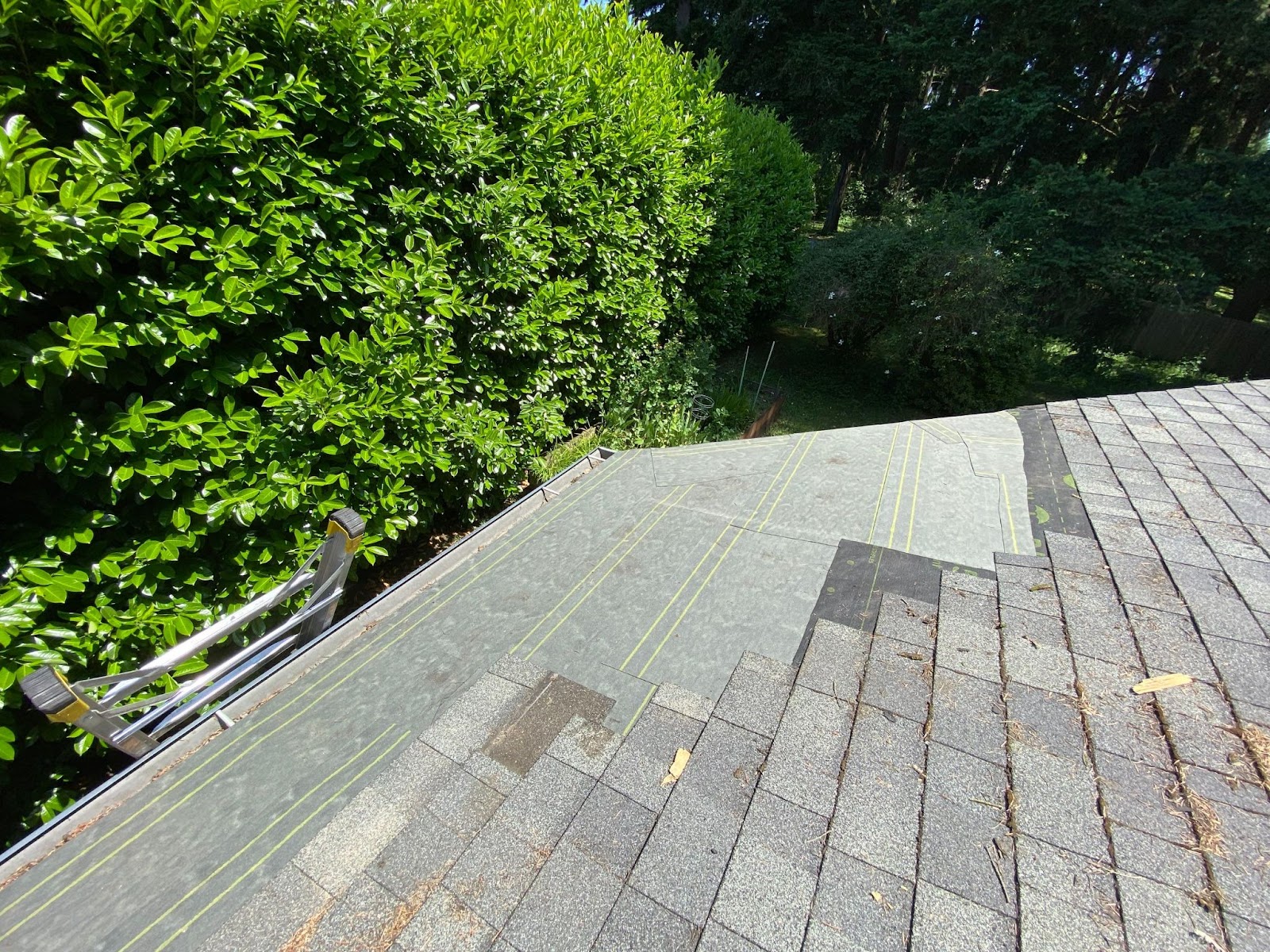
Step 1: Safety First (Not Negotiable)
Set up your ladder on level ground.
Use a safety harness.
Work on dry, calm days only.
If you're scared of heights or the roof is steep, stop here and call a professional.
Step 2: Remove Damaged Material
Carefully lift the shingles above the damaged area.
Remove any remaining pieces of the old shingle.
Pull out old nails completely - don't leave them sticking up.
Step 3: Prepare the New Shingle
Cut your replacement shingle to match the existing pattern.
Most asphalt shingles have tabs - make sure they align.
Step 4: Install the New Shingle
Slide the new shingle into position.
Nail it down with 4-6 nails per shingle.
Place nails in the nail line (usually marked on the shingle).
Step 5: Seal Everything
Apply roofing cement under the edges of overlapping shingles.
Press down firmly to create a watertight seal.
Check that everything lies flat.
Some situations are just not DIY territory:
I've seen too many weekend warriors turn a $500 repair into a $5,000 disaster.
Know your limits.
3-tab shingles: Cheapest option, basic protection Architectural shingles: Better durability, more attractive Impact-resistant shingles: Worth it in hail-prone areas
Always try to match your existing shingles exactly.
Different weights and styles can cause installation problems.
Bring a sample to your roofing supplier.
Age and weathering will make new shingles look different initially - that's normal.
Here's something most people don't know:
Insurance companies often cover storm-related shingle damage.
Document everything:
File claims promptly:
I've helped homeowners get $15,000+ roof replacements covered by insurance for storm damage they almost ignored.
Mistake #1: Using the wrong nails - Too short and shingles blow off. Too long and you damage the roof deck.
Mistake #2: Improper overlap - Shingles must overlap correctly or water gets through.
Mistake #3: Ignoring the problem - Small issues become expensive problems fast.
Mistake #4: Mixing shingle types - Different materials expand and contract differently.
Mistake #5: Skipping the sealant - Even a perfect installation needs proper sealing.
Most asphalt shingles last 20-30 years depending on climate, installation quality, and maintenance.
Architectural shingles often last longer than basic 3-tab shingles.
Technically yes, but I don't recommend it.
Adding weight to your roof structure can cause problems.
You also can't properly inspect the roof deck for damage.
Spring and fall offer the best weather conditions.
Avoid winter installations when possible - cold makes shingles brittle.
Summer work is possible but hot shingles are harder to handle.
Spot repairs work when:
Full replacement needed when:
Usually no.
Insurance typically covers sudden damage from storms, hail, or falling objects.
Gradual wear and tear is considered maintenance and isn't covered.
DIY: $50-150 in materials plus your time Professional: $300-800 depending on accessibility and extent of damage
Always get multiple quotes for professional work.
Here's what I want you to remember:
Missing shingles are never "just cosmetic."
They're your roof's way of telling you it needs help.
Address them quickly and you're looking at a few hundred dollars max.
Ignore them and you're looking at thousands in water damage, mold remediation, and structural repairs.
Fix missing shingles on your roof as soon as you notice them.
Your future self (and your bank account) will thank you.
Trust me on this one - I've been there, and learned the expensive way so you don't have to.
Most people think a roof is just shingles slapped on wood.
That's like saying a car is just an engine with wheels.
Your roofing system is actually a complex setup that works together:
When one missing shingle compromises this system, water finds its way to your attic and eventually your interior ceilings.
Here's something most homeowners don't know:
The National Roofing Contractors Association has specific guidelines for shingle installation.
Nail placement standards:
Shingle course alignment:
I've seen too many inexperienced roofers ignore these standards.
The result? Shingle blow-off during the first major storm.
This is where it gets interesting.
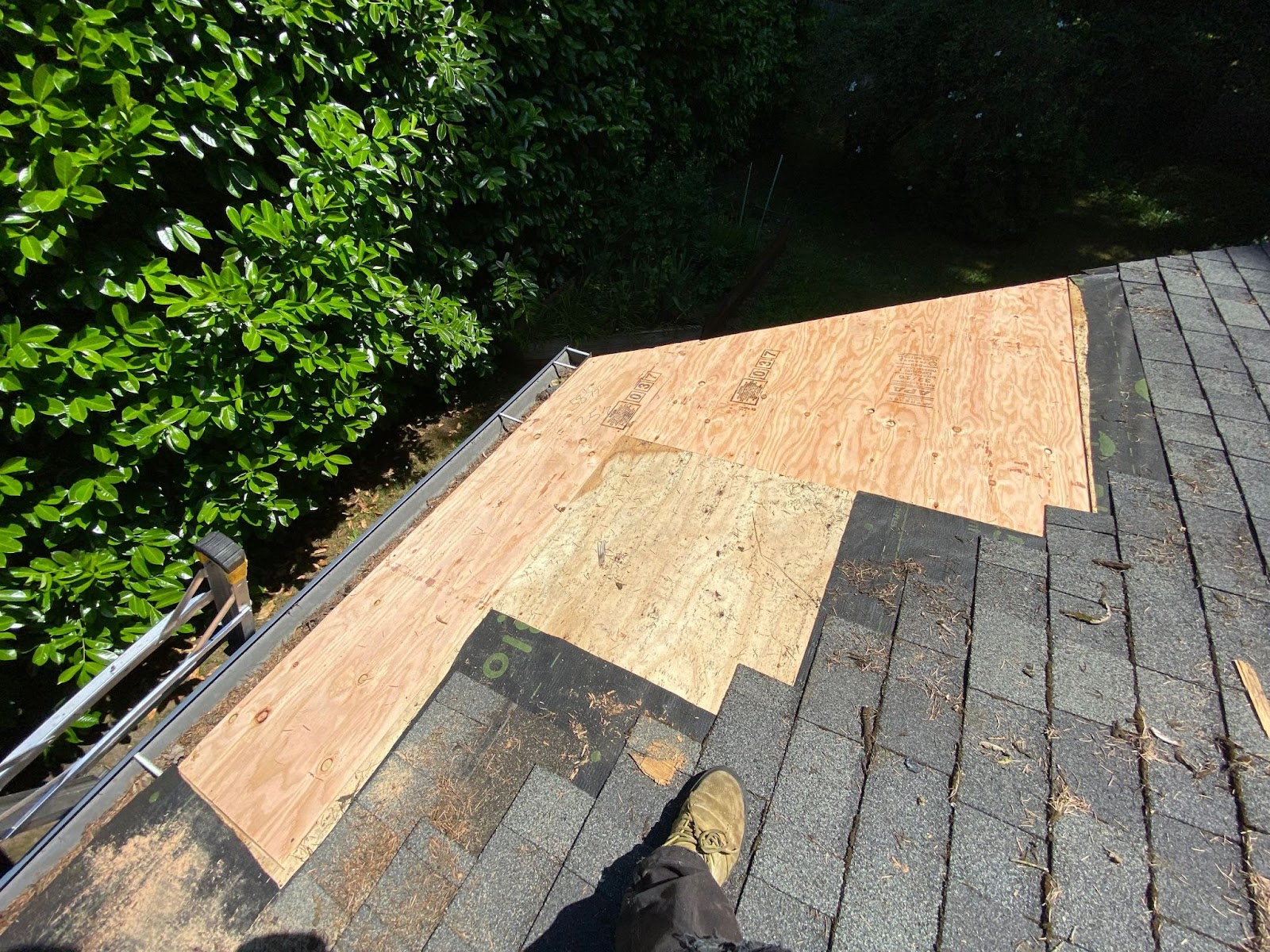
A single missing shingle on a properly installed shingled roof won't cause immediate leaks.
Here's why:
But here's the catch:
This protection only works if everything else is perfect.
One nail pop, one tear in the underlayment, one gap in the shingle above - and you've got water cascading into your home.
I've seen several shingles missing for months with no leaks.
I've also seen a small shingle tear flood an entire house.
The difference? The condition of the surrounding roofing material.
3-tab asphalt shingles are the most common for good reason:
Architectural shingles offer better performance:
If you're dealing with frequent shingle damage, a metal roof might make sense:
Benefits:
Drawbacks:
Most states have shingle matching laws that protect homeowners.
If your insurance covers roof damage, they can't force you to accept a non-matching shingle that makes your roof look patchy.
Know your rights:
I helped a neighbor get a complete new roof because his insurance company couldn't match 8-year-old architectural shingles.
Know the law in your area - it could save you thousands.
Exterior assessment:
Interior inspection:
Red flags to avoid:
Green flags to look for:
About the work:
About the materials:
About the process:
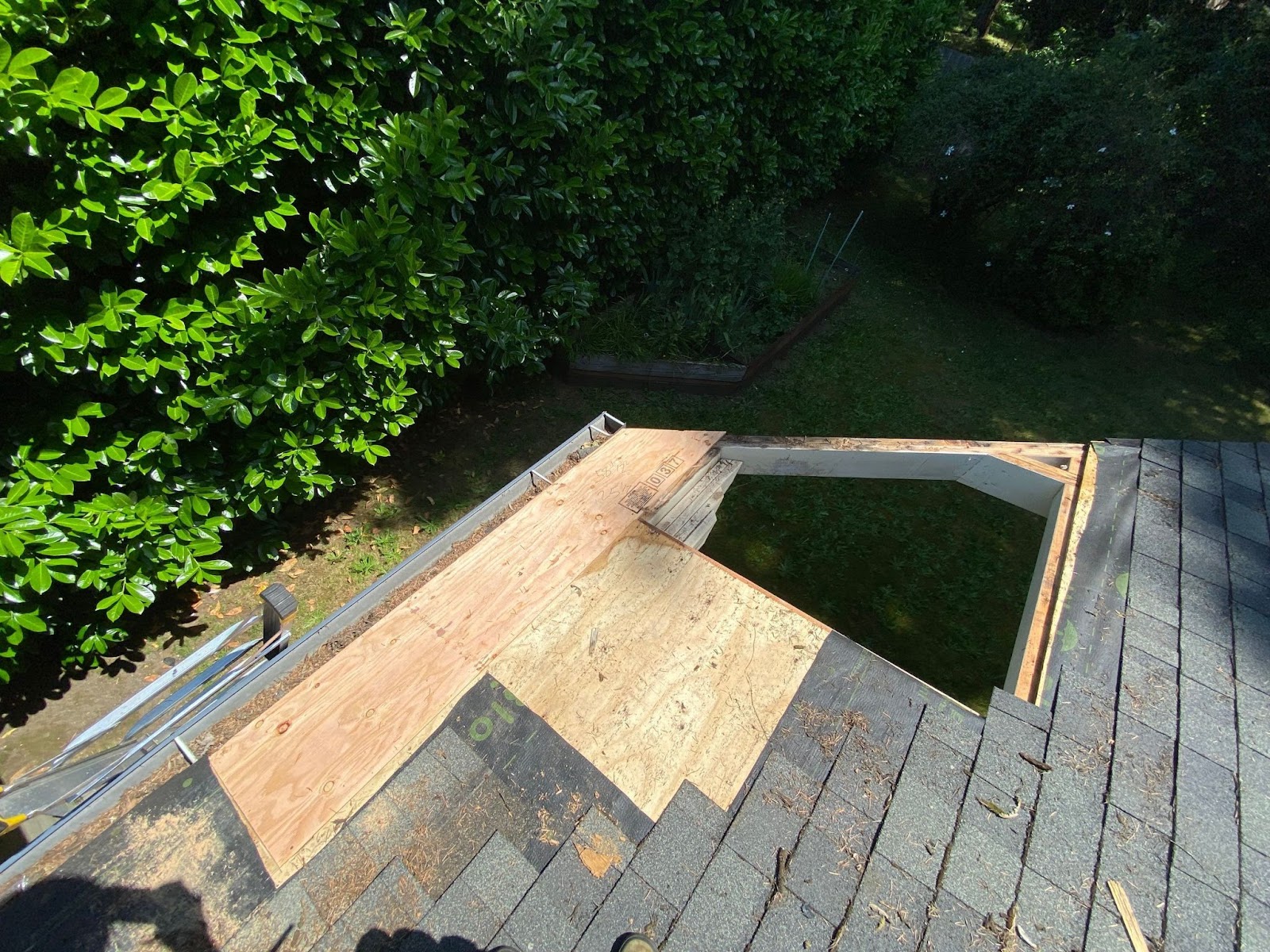
When multiple shingles get damaged in one event, you're often looking at more than just replacement.
Common secondary damage:
This is when you need high-quality roofing services, not a quick patch job.
Here's something most people get wrong:
You don't replace shingles one at a time as they fail.
When to consider partial replacement:
When to go for the new roof:
No roof lasts forever, despite what some residential roofing services claim.
Realistic expectations:
Factors that reduce lifespan:
Damage control:
Temporary fixes:
It's not just the missing shingle - it's everything that happens next:
The cascade effect:
I've seen a $200 shingle repair turn into $15,000 in water damage because someone waited "to see if it gets worse."
Don't be that person.
Different times of year bring different challenges to your shingled roof:
Best times for major work:
Times to avoid:
Your roof isn't just shingles - it's the primary protection for everything you own.
The experienced approach:
The expensive approach:
I've been on both sides of this equation.
Trust me - the experienced approach costs less in the long run.
And when you need help, choose a residential roofing company that treats your home like their own.
Because at the end of the day, fixing missing shingles on the roof quickly and correctly isn't just about your roof - it's about protecting everything underneath it.
Look, I could end this article by telling you to "choose any good contractor."
But that wouldn't be honest.
After everything I've shared about the importance of getting this right the first time, you deserve to know about a company that actually lives up to these standards.
At IBEX Roof, we’ve been solving missing shingle problems for homeowners who refuse to settle for mediocre work.
Here's what makes them different:
Most roofing contractors treat scheduling like a suggestion.
We treat it like a promise.
When you schedule your complimentary roof inspection, we show up on time — every time.
Here’s the brutal truth about our industry:
Too many roofers see a few missing shingles and immediately start talking about full roof replacement.
Our approach is different.
If your current roof only needs a minor repair, that’s exactly what we’ll recommend.
And if you do need a new roof, we’ll show you why with photos and clear explanations.
No games, no pressure, no BS.
Is your roof due for an upgrade, or are you building a new home and wondering what roofing type will stand up to Washington’s wet seasons?
Choosing between rolled roofing and shingles isn’t just about cost or curb appeal, it’s about making the right decision for your home’s protection and long-term value. Washington’s unique climate, with its consistent rain and occasional windstorms, means that not every option labeled “durable” elsewhere holds up the same way here.
We’ll break down two of the most common roofing materials for residential homes, rolled roofing and asphalt shingles so you can compare their aesthetics and durability, how each holds up in Washington’s weather, and what to expect during installation. Whether you're re-roofing a garage with rolled roofing installation or choosing shingles for your family home, this post will help you ask the right questions before hiring a roofing contractor.

Roll roofing is a budget-friendly roof material that comes in large rolls, typically made from asphalt-saturated material or modified bitumen. It’s mainly used on low-slope or flat roofs where traditional roofing materials like shingles aren’t ideal. This makes it a go-to choice for garages, sheds, or additions that don’t need the same curb appeal as the main home.
You’ll often see rolled roofing on residential and commercial roofing where cost and function matter more than looks. It’s quick to install and helps protect structures from rain and UV exposure, especially useful in areas that experience frequent moisture like western Washington.
Installing rolled roofing isn’t as involved as shingle work, but that doesn’t mean it’s always easy. The process can vary depending on the type of rolled roofing material some are self-adhesive, while others require cold adhesive or torch-down methods. And while DIY might seem tempting, getting a proper seal is key to avoiding leaks down the road.
Here’s what a typical rolled roofing installation may involve:
Most roll roofing installation jobs can be completed in a day on small structures. But since it only works on slopes of 2:12 or less, it's not a fit for every residential roof.
A major reason homeowners pick rolled asphalt roofing is cost, but it's important to weigh that against how long it lasts. Most rolled roofing has a lifespan of 5 to 10 years, which is shorter than other options. It’s more prone to cracking and peeling in extreme weather, especially if not installed properly.
Because it’s a single layer, it’s also more vulnerable to leaks or punctures. Regular inspections, especially after storms, are a must. One homeowner in Tacoma mentioned needing to replace their roll roof on a storage shed after just seven years more due to heavy rainfall pooling than poor material. It's a reminder that Washington’s climate can shorten the life of roofing materials if they aren't well-matched.

Shingles are one of the most familiar and widely used roofing materials across Washington. Their popularity comes from variety, longevity, and aesthetic flexibility. Most homes use asphalt shingles, but there are subtypes with different features and looks.
Here’s a breakdown of the most common types:
These roofing products are available in colors and textures to match almost any style, which is why they’re so common on residential homes from Olympia to Spokane.
Installing shingles takes more steps than roll on roofing, but the payoff is better protection and appearance. Roofers begin by prepping the roof deck, adding underlayment for moisture control, and then aligning rows of shingles. Shingles are installed from the bottom up, layered to shed water naturally.
A typical install includes:
Shingles work best on roofs with slopes steeper than 2:12. They require more time and skill to install, which is why hiring a roofing contractor is strongly recommended.
A major benefit of shingles over rolled roofing is lifespan. While entry-level three-tab shingles last around 15 to 20 years, architectural shingles can hold up 30 to 50 years with good maintenance. They’re built to handle rain, wind, and even the occasional snow seen in eastern Washington.
Roll roofing is often chosen for small structures like sheds, garages, or outbuildings because it’s easy to install and low in cost. For homeowners needing a fast roofing solution on a budget, it does the job without requiring a large team or extended install time.
That said, the tradeoff is in appearance and longevity. Rolled roofing is less durable than other roofing materials and tends to show wear much sooner, especially in places with frequent rainfall or temperature swings.
Shingles, especially architectural types, are known for being more durable and visually appealing than roll roofing. They offer better protection against wind and moisture, which is important in areas like Seattle where heavy rain is common. They also give the home a finished look that can improve resale value.
The downside is the cost, shingles come with a higher price tag, both in materials and labor. Plus, the install process takes longer and requires attention to proper layering and ventilation. Still, most homeowners feel the long-term benefits are worth the extra time and cost upfront.
If cost is the biggest factor in your roofing project, it's worth breaking down both short-term and long-term numbers. Rolled roofing may seem like the better deal, but it doesn't always hold up well over time. Shingles cost more at installation but usually save you from having to reroof within a decade.
Here’s a general breakdown:
| Roofing Type | Material Cost (per sq. ft.) | Labor Cost (avg.) | Lifespan | Insurance/Rebate Value |
|---|---|---|---|---|
| Roll Roofing | $1.50 – $4.50 | Lower | 5–10 years | Minimal |
| Asphalt Shingles | $3.00 – $6.50 (3-tab) | Moderate | 15–30 years | Potential discounts |
| Architectural Shingles | $4.50 – $8.50 | Higher | 25–50 years | May qualify for rebates |
In one case in Tacoma, a homeowner replaced roll roofing with shingles on their detached garage after constant patching. The upfront cost doubled, but after five years with no leaks or repairs, they saw the long-term value.
Visual Comparison Table
| Feature | Roll Roofing | Asphalt Shingles |
|---|---|---|
| Durability | Less durable than other roofing | More durable, handles storms |
| Appearance | Plain, utilitarian | Varied styles, curb appeal |
| Slope Requirement | ≤ 2:12 only | Works on most residential roofs |
| Installation Time | Fast | Moderate |
| Lifespan | 5–10 years | 15–50 years |
| Cost | Lower | Higher |
| Maintenance Needs | More frequent | Less frequent |
| Common Use | Sheds, garages, outbuildings | Homes, additions |
| Recyclability | Limited | Widely recyclable |
Washington roofs deal with more rain than most other U.S. regions, especially west of the Cascades. That means materials must handle moisture without absorbing it or degrading quickly. Rolled roofing, with its thinner design and single layer, can struggle in these conditions without extra sealing or slope correction.
Here’s how different systems respond to local elements:
In Washington, roofing needs to handle constant moisture, and that starts with proper installation. Sloping the roof appropriately, using the right underlayment, and sealing edges can make the difference between a long-lasting roof and one that fails early.
Here are a few best practices for local installs:
Contractors often recommend a thorough inspection after install, especially in areas like the Olympic Peninsula where moisture levels stay high year-round.
Washington has stricter runoff and recycling requirements than many other states. For example, shingle runoff can contain trace metals, which is why proper drainage and filtering systems matter. Most rolled composition roof materials are harder to recycle, ending up in landfills more often than asphalt shingles.
From a code standpoint, the WA R905 residential roofing code emphasizes moisture control and proper flashing, especially in coastal zones. Some counties even require Class A fire-rated roofing products, which certain rolled systems may not meet.
Choosing the right roofing isn’t just about looks or upfront cost, it’s about finding what fits your specific needs and home conditions. If you're replacing the roof on a garage or shed, you may not need the same durability or curb appeal as your main home. But if you're looking at your primary residence, especially in Washington's wet climate, the long-term protection and energy efficiency start to matter more.
Here are a few things to keep in mind:
Here’s a quick way to match the roofing material to your situation:
Not sure if rolled roofing or shingles are the better fit for your home? That’s where we come in. A quick inspection can help confirm what’s right for your roof’s slope, how long you want it to last, and how it’ll hold up through Washington’s weather. It’s better to plan ahead now than face unexpected repairs later.
At IBEX Roof, we’ve worked with homeowners throughout Vancouver and southwest Washington, helping them make confident choices for everything from small garage roofs to full shingle replacements. We’ll give you straightforward guidance based on what works best in our region, with no pressure and no upselling.
Let’s talk about your roof:
Email: info@ibexroof.com
Address: 5800 NE 88th St #101, Vancouver, WA
Reach out anytime, we’re here to help you get the most out of your next roofing project.
Emergency roof repairs can be necessary due to a variety of reasons, with weather-related damage being one of the most common causes. Severe storms, heavy rain, hail, and strong winds can all take a toll on a roof, leading to leaks, missing shingles, or even structural damage. Additionally, age and lack of maintenance can also contribute to the need for emergency repairs.
Over time, roofs can deteriorate, and if not properly maintained, they become more susceptible to damage. Other common causes include poor installation, improper ventilation, and damage from fallen trees or debris. Furthermore, extreme temperature fluctuations can cause materials to expand and contract, leading to cracks and leaks.
In Vancouver WA, where the weather can be unpredictable and often includes heavy rainfall, it's essential for homeowners to be aware of these common causes and to regularly inspect their roofs for any signs of damage.
Water stains on the ceiling or walls, sagging areas on the roof, missing or damaged shingles, and visible signs of mold or mildew are all signs that emergency roof repairs are needed.
If there are granules from the shingles accumulating in the gutters or around the perimeter of the house, it could be a sign that the roof is deteriorating and in need of immediate attention.
If there are noticeable leaks during heavy rain or if the roof is visibly sagging in certain areas, it's important to seek emergency repairs to prevent further damage to the interior of the home. Being proactive and addressing these signs promptly can help prevent more extensive and costly repairs down the line. Regular inspections and maintenance can also help identify potential issues before they escalate into emergencies.
When faced with the need for emergency roof repairs in Vancouver WA, finding a reliable roofing contractor is essential. Homeowners should look for contractors with a solid reputation, proper licensing and insurance, and a track record of delivering high-quality work. It's also important to seek out contractors who specialize in emergency repairs and have experience dealing with the specific challenges posed by the local climate and weather conditions.
Word-of-mouth recommendations from friends, family, or neighbors can be valuable in finding a trustworthy contractor. Additionally, researching online reviews and checking with local business bureaus can provide insight into a contractor's reliability and professionalism. Once a few potential contractors have been identified, it's advisable to request quotes and compare their proposed solutions for the emergency repairs.
Ultimately, choosing a contractor who is responsive, transparent, and communicative can help ensure a smooth and satisfactory repair process.
| Emergency Roof Repair Process | Metrics |
| Response Time | Within 24 hours |
| Assessment Time | 1-2 hours |
| Repair Time | Depends on the extent of damage |
| Materials Used | Roofing shingles, sealant, plywood, etc. |
| Cost | Varies based on the repair needed |
The process of emergency roof repairs typically begins with an initial assessment by the roofing contractor to determine the extent of the damage and the best course of action. This assessment may involve a thorough inspection of the roof, including checking for leaks, identifying damaged areas, and assessing the overall condition of the roofing materials. Once the assessment is complete, the contractor will provide a detailed plan for the necessary repairs and discuss it with the homeowner.
Depending on the nature of the damage, emergency repairs may involve patching leaks, replacing missing or damaged shingles, reinforcing weakened areas, or addressing structural issues. In some cases, temporary measures may be taken to prevent further damage while more extensive repairs are planned. Throughout the process, clear communication between the homeowner and the contractor is crucial to ensure that expectations are aligned and that any concerns are addressed promptly.
Emergency roof repairs can vary significantly in cost depending on the extent of the damage and the necessary repairs. Factors such as the size and slope of the roof, the type of materials used, and the complexity of the repairs all play a role in determining the overall cost. In Vancouver WA, homeowners should expect to receive detailed estimates from roofing contractors that outline the specific work to be done and the associated costs.
While emergency repairs may represent an unexpected expense, it's important for homeowners to prioritize addressing roof damage promptly to prevent further deterioration and more costly repairs in the future. Some roofing contractors may offer financing options or work with insurance companies to help homeowners manage the financial impact of emergency repairs. Exploring these options can provide homeowners with greater flexibility in addressing urgent roofing needs without undue financial strain.
When preparing for emergency roof repairs in Vancouver WA, homeowners should anticipate some disruption to their daily routines as the repairs are carried out. Depending on the nature of the damage and the required repairs, it may be necessary to temporarily vacate certain areas of the home or make accommodations for noise and construction activities. Clear communication with the roofing contractor about scheduling and logistics can help minimize inconvenience during this time.
Homeowners should take steps to protect their belongings and ensure that any valuable items stored in attics or upper floors are safeguarded from potential damage during the repair process.
Being proactive in preparing for these temporary disruptions can help ensure a smoother experience during emergency roof repairs. By taking the necessary precautions, homeowners can minimize the impact of the repairs on their daily lives and get back to normal as quickly as possible.
After undergoing emergency roof repairs in Vancouver WA, homeowners can take proactive steps to prevent future emergencies. Regular inspections and maintenance are key to identifying potential issues early on and addressing them before they escalate into emergencies. Keeping gutters clean and free of debris, trimming overhanging tree branches, and ensuring proper ventilation in the attic are all important preventive measures.
Furthermore, investing in high-quality materials and working with an experienced roofing company like IBEX Roof can significantly improve the longevity and performance of your roof. Our team is committed to helping homeowners in Vancouver WA handle emergency repairs efficiently while also focusing on long-term solutions that prevent future issues.
By staying proactive with regular maintenance and knowing what to watch for, you can reduce the risk of costly surprises down the road. Understanding the signs of damage, preparing for repairs, and choosing the right professionals are all key to protecting your home. At IBEX Roof, we’re here to guide you through every step and ensure your roof stands strong for years to come.

